
Parrot of St Thomas Greetings Card | Packs of 10/20/50
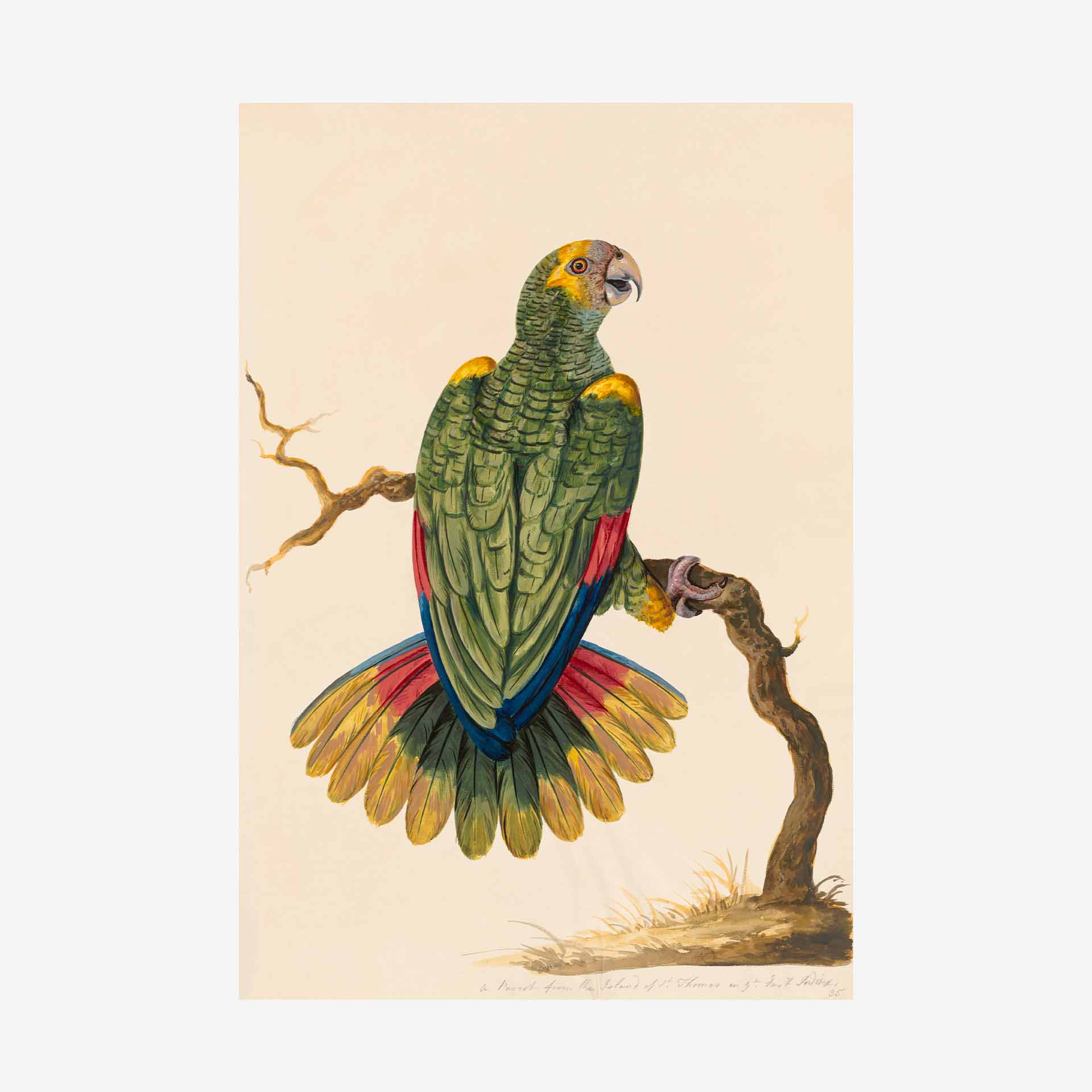
A high quality greetings card printed on Mohawk fine art paper of a Parrot of St Thomas in a tree. Painted by wildlife painter Peter Paillou (c.1720 – c.1790).
Gorgeous Parrot of St Thomas Greetings Card | Packs of 10/20/50 On Museum-Quality Cardstock
Our Parrot of St Thomas Greetings Card | Packs of 10/20/50 bring the Parrot of St Thomas to life on the cover of every card, with vivid, richly detailed artwork suited to any occasion, whether that's a birthday, Christmas, a thank you, a get well soon, or simply to say hello. Each card is printed on premium 324gsm Mohawk cardstock using giclée printing, which reproduces the fine detail, natural colouring and texture of the Parrot of St Thomas's plumage and features with exceptional clarity.
This museum-quality, acid-free card is designed to last. The risk of fading is drastically reduced compared with most greetings cards, making it a keepsake worth keeping rather than discarding after the occasion has passed.
These versatile 4in x 6in (102mm x 152mm) cards have a blank interior, so you can personalise your message for any event throughout the year. Every Parrot of St Thomas Greetings Card | Packs of 10/20/50 comes with a brown craft envelope, adding a rustic charm and a more environmentally friendly alternative to standard white envelopes.
Available in packs of 10, 20 or 50 to suit your needs.
*Please note that the lower-resolution images shown on our website are for illustrative purposes only. The Parrot of St Thomas Greetings Cards themselves are produced using high-resolution imagery for a crisp, clear finish.
Discover the full range of Parrot of St Thomas greetings cards and bring a piece of fine art into everyday correspondence.
Parrot of St Thomas Card Dimensions & Properties
- Size: 4in x 6in (102mm x 152mm).
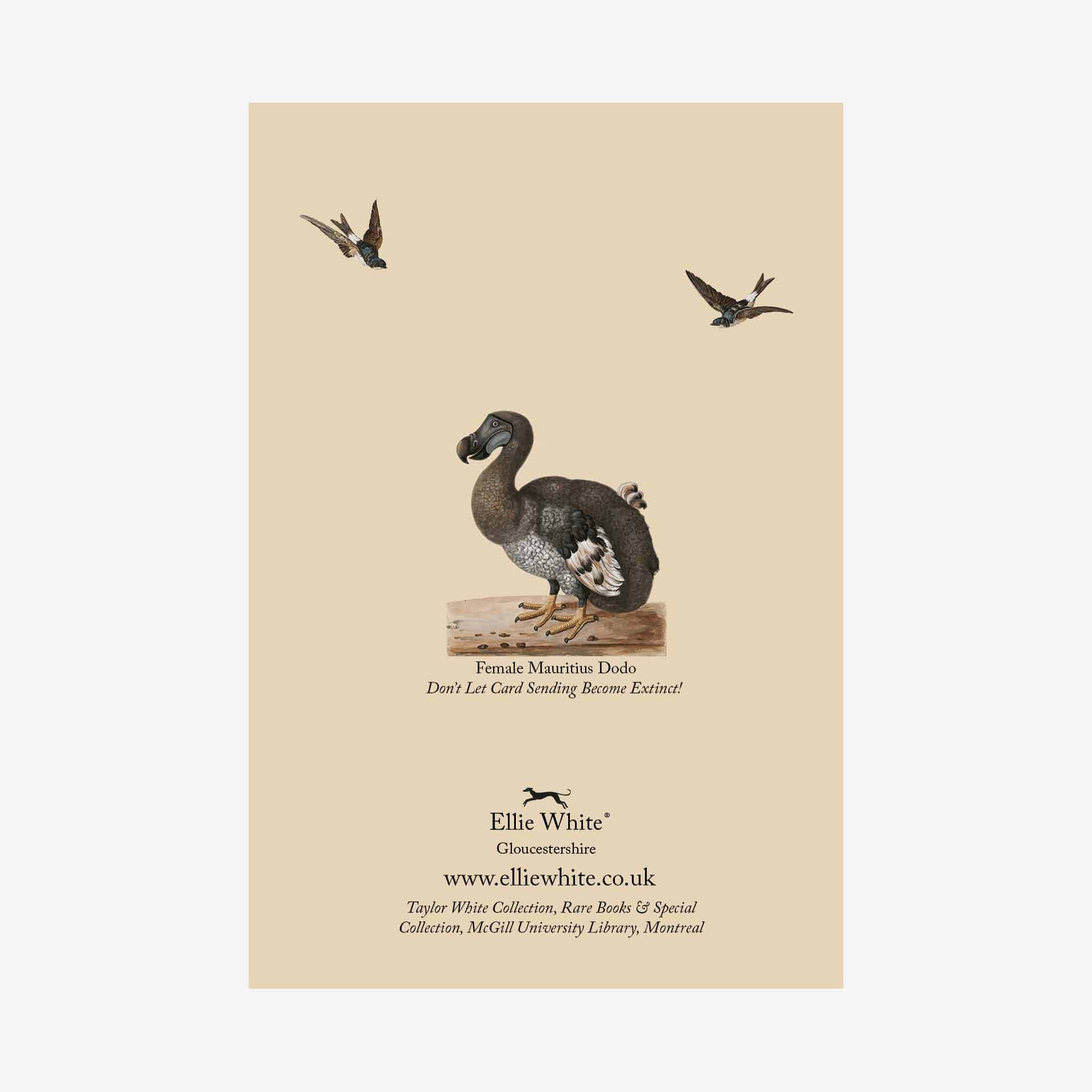
- Card: 324gsm Mohawk fine art card stock featuring a design on the front cover.
- Interior: Blank, so you can personalise and send the card for any occasion.
- Envelopes: Brown craft envelopes.
- Quantity: Available in packs of 10, 20 or 50 greetings cards.
The Taylor White Collection's 18th Century Watercolour Painting of the Parrot of St Thomas
Our Parrot of St Thomas comes from the original collection of Taylor White F.R.S. (1701-1772). In the mid-18th Century, White commissioned the celebrated wildlife painter Peter Paillou (c.1720 - c.1790) to paint a number of specimens for his collection. The watercolour of the Parrot of St Thomas was among the works Paillou produced for White.
The original Parrot of St Thomas watercolour is finely painted, with remarkable detail, allowing the plumage and features of the Parrot of St Thomas to be seen in stunning clarity. This depth of colour and detail has been captured brilliantly through the digitisation process and is replicated here for your home or office decor, or as a thoughtful gift.
Taylor White, a barrister by profession and later Puisne Judge for Chester, was a keen naturalist and Fellow of the Royal Society, elected in 1725. Over nearly forty years from the 1730s until his death in 1772, he commissioned 938 watercolours of birds, mammals, fish and reptiles, including the Parrot of St Thomas, now held at McGill University and painted almost entirely by two artists, Charles Collins and Peter Paillou. White was a founding governor of The Foundling Hospital in London and served as its treasurer for the last twenty-five years of his life. His well-connected social and scientific circle gave his artists exceptional access to specimens: his second wife, Frances Armstrong, was the daughter of General John Armstrong, Governor of the Tower of London and Chief Royal Engineer, and White's artists painted the lions, wolves and other animals of the Royal Menagerie there. He also borrowed specimens from the British Museum, and received rare and exotic birds from friends, including the naturalist Joseph Banks, who sailed to Newfoundland in 1766, and William Harrison, who brought back specimens from voyages testing his father's marine chronometer.
About The Parrot of St Thomas
Peter Paillou’s watercolour depicts the Parrot of St Thomas, an 18th Century name for what is in fact the Turquoise-fronted Amazon (Amazona aestiva), a parrot native to Bolivia, Brazil, Paraguay and Argentina. Known for its green plumage, blue forehead and yellow-marked face, this popular pet species nests in tree hollows and typically lays three to five eggs. The piece forms part of the Taylor White Collection of 18th Century natural history studies.
Reviews
There are no reviews yet.