
Original 18th Century wildlife watercolours, reproduced faithfully
The Taylor White Collection was created in the mid-18th Century by Taylor White of Tuxford and Wallingwells, a landowner, barrister and judge with a lifelong passion for natural history. As an active Fellow of the Royal Society and amateur naturalist, White commissioned a series of watercolour paintings depicting the animal life of his era, working with several of the finest wildlife artists of the period.
The collection currently comprises 938 watercolour paintings of animals, spanning mammals, birds, fish and reptiles. White was patron to a number of specialist watercolour artists, including Charles Collins, Peter Paillou, Jacobus van Huysum, George Edwards and Eleazar Albin, each contributing their own eye for detail and colour to the collection’s distinctive character. Many of the images also carry manuscript notes and original observations in White’s own hand, of which over 700 survive, offering a rare direct link to the naturalist’s own thinking.
The prints and products in this collection draw on these historic watercolours, bringing 18th Century natural history illustration into new forms for the modern home.


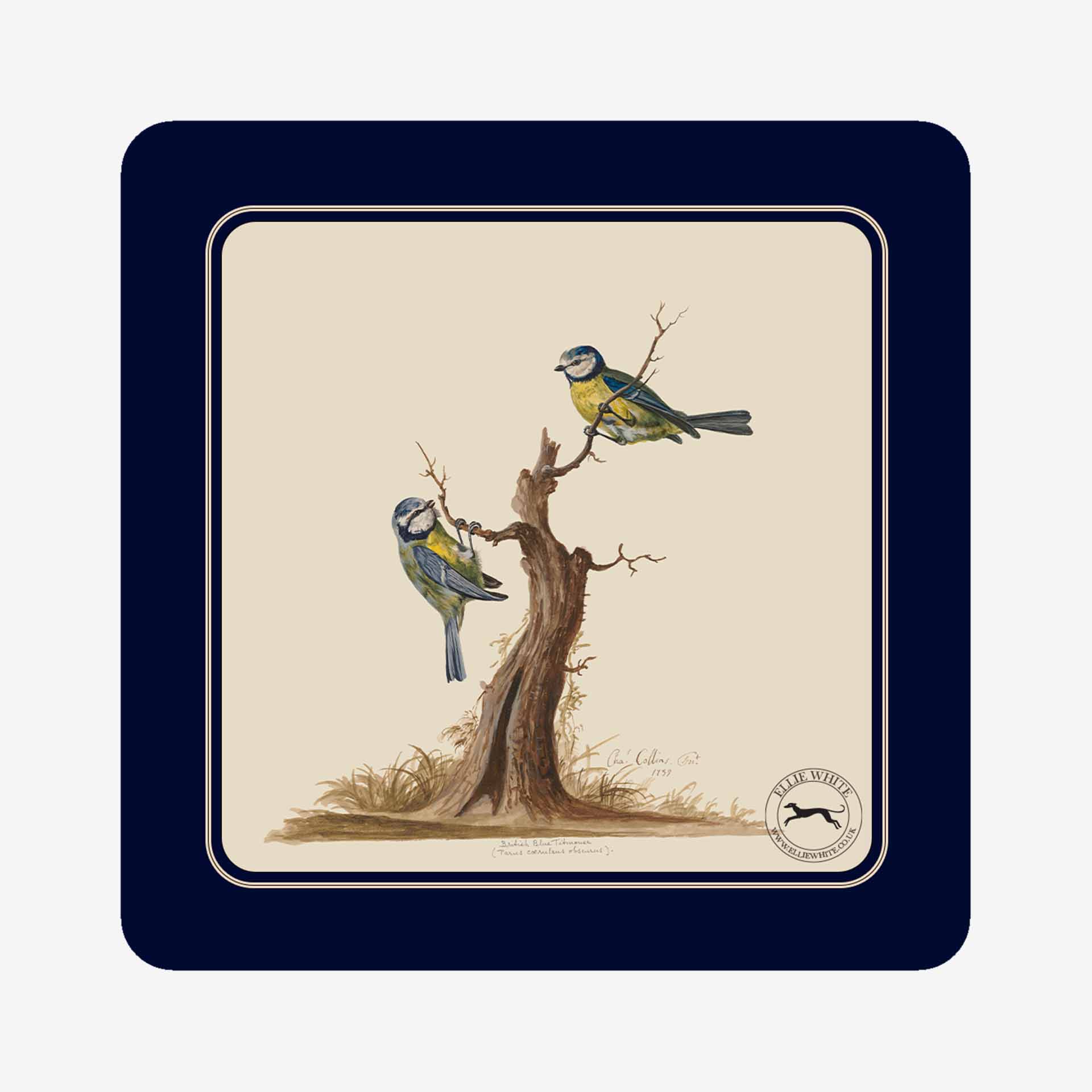


The Origins of the Taylor White Collection
The Taylor White Collection takes its name from Taylor White of Tuxford and Wallingwells, an 18th Century landowner, barrister and judge whose true passion lay in the natural world. As an active Fellow of the Royal Society, White moved in the same scientific circles as the leading naturalists of his day, and used his position and resources to commission a systematic visual record of the animal kingdom as it was understood in the mid-1700s.
What the Collection Contains
At its core, the Taylor White Collection comprises 938 watercolour paintings of animals, covering mammals, birds, fish and reptiles. The collection formerly included paintings of flora and fauna as well, though the whereabouts of these particular works is no longer known. What survives remains a substantial and historically significant body of natural history illustration, valued both for its artistic merit and for what it reveals about 18th Century understanding of the natural world.
Beyond the paintings themselves, the collection includes over 700 manuscript notes and original observations, written directly onto the images by Taylor White himself. These annotations give the collection an unusually personal dimension, capturing not just what the animals looked like, but how an 18th Century naturalist thought about and recorded them.
The Artists Behind the Watercolours
Taylor White acted as patron to a number of specialist watercolour artists, each brought in to lend their particular skills to the project. The artists, including Charles Collins, Peter Paillou, Jacobus van Huysum, George Edwards and Eleazar Albin, were all recognised in their time for wildlife and natural history illustration. Their combined body of work forms the visual foundation of the collection as it survives today.
From Wallingwells to Montreal: The Collection’s Journey
Following Taylor White’s death in 1772, the collection remained in the White family’s possession for over 150 years. It was eventually sold in 1926 by Sir Archibald White, 4th Baronet of Tuxford and Wallingwells, Taylor White’s great-great-great-grandson, at around the time the family left their Wallingwells Estate on the Nottinghamshire and Yorkshire border.
The collection was purchased in 1927 by Dr Casey Wood from the London rare book dealer Bernard Quaritch. It subsequently became part of the Blacker Wood Natural History Collection, where it remains today, held at the Rare Books and Special Collections department of McGill University Library in Montreal, Canada.